
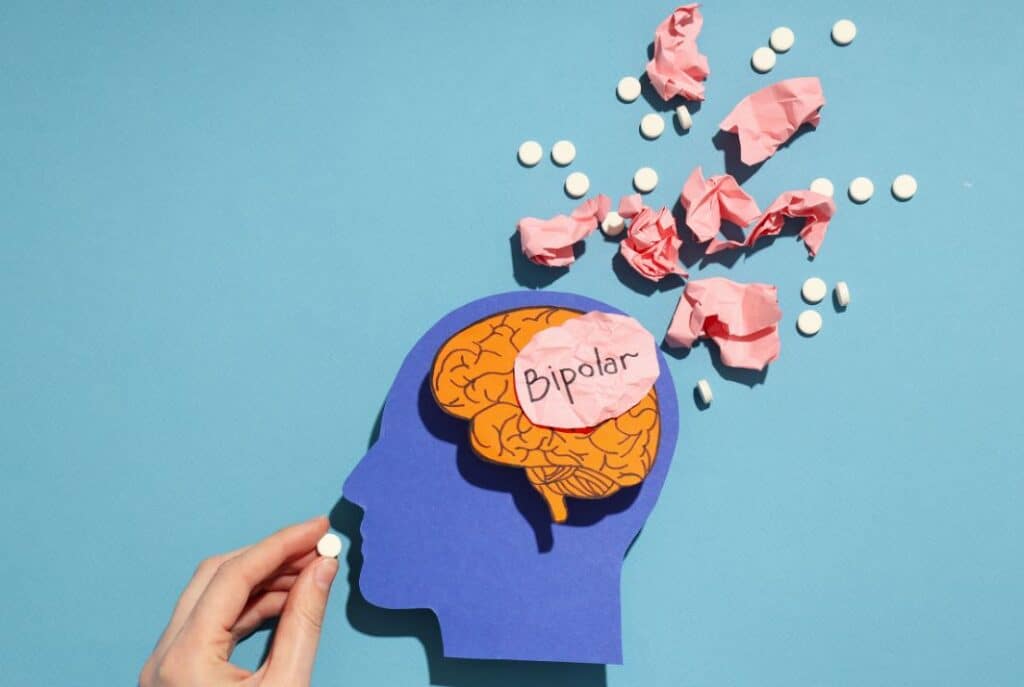
Bipolar disorder and addiction are two deeply complex and intertwined conditions that significantly impact the lives of individuals and their families. These co-occurring disorders present unique challenges, as they often amplify each other’s effects, complicating diagnosis, treatment, and recovery.
Here at Pine Haven Behavioral Health, we understand the connection between bipolar disorder and addiction and know recognizing this connection is essential for fostering empathy, developing effective treatment plans, and instilling hope for those on the journey to healing.
Bipolar disorder is a mental health condition characterized by extreme mood swings that include depressive lows and manic or hypomanic highs. These dramatic shifts in emotional states can profoundly affect an individual’s behavior, relationships, and decision-making processes. For many, the intense feelings associated with bipolar disorder lead to substance use as a way to cope, regulate emotions, or escape.
Research indicates that individuals with bipolar disorder are significantly more likely to develop substance use disorders than the general population. This phenomenon, known as a co-occurring disorder or dual diagnosis, stems from various interconnected factors.
The symptoms of bipolar disorder often drive individuals toward substance use as a coping mechanism:
Individuals may turn to substances such as alcohol, opioids, or sedatives to numb emotional pain, improve mood, or escape feelings of hopelessness.
They may use stimulants to sustain energy, enhance euphoria, or amplify the highs of mania.
This pattern of self-medication creates a dangerous cycle, as substances may temporarily alleviate symptoms but ultimately worsen the underlying condition.

Manic episodes frequently involve heightened impulsivity and risk-taking behavior. This lack of control can lead individuals to:

Bipolar disorder involves dysregulation of brain chemicals such as dopamine and serotonin. Substance use further disrupts these neurochemical pathways, creating a vicious cycle where:

When bipolar disorder and addiction coexist, the effects on an individual’s mental, emotional, and physical health are compounded. This dual burden often leads to a range of challenges that make recovery more difficult without integrated care. Some of the key impacts include:
The emotional instability associated with bipolar disorder heightens the risk of relapse during addiction recovery. Stressors like depressive episodes, life challenges, or unresolved trauma can lead individuals back to substance use as a perceived solution.
Co-occurring disorders often result in additional complications, such as:
A deeper understanding of the emotional landscape individuals navigate with bipolar disorder reveals why substances might seem like an appealing escape. Emotional pain, often magnified by feelings of isolation, shame, and helplessness, can make the promise of temporary relief from substances hard to resist. This underscores the importance of addressing the root causes of both emotional and physical struggles.
For many individuals, trauma is a significant factor in the development of both bipolar disorder and substance use disorders. Traumatic experiences, such as childhood abuse, neglect, or significant loss, can leave lasting imprints on mental health. Trauma-informed care recognizes these connections, creating a safe and supportive environment for healing.
Effective treatment for co-occurring disorders requires an integrated approach that addresses both conditions simultaneously. Failing to treat one condition while focusing solely on the other often leads to incomplete recovery or relapse. Integrated care ensures that individuals receive comprehensive support for their unique challenges.
At Pine Haven Behavioral Health, we specialize in dual diagnosis treatment, providing tailored care that combines evidence-based methods and compassionate support. Our approach includes the following key components:
The first step in treatment is a thorough evaluation to determine the relationship between bipolar symptoms and substance use. This process ensures an accurate diagnosis and helps clinicians develop a targeted treatment plan. Assessments may involve:
Treatment plans are customized to address both bipolar disorder and addiction simultaneously. Key components include:
Medications play a crucial role in stabilizing mood and reducing the drive for substance use. Treatment may involve:
Relapse prevention is a cornerstone of long-term recovery. Strategies include:

Recovery from co-occurring disorders requires more than clinical intervention—it demands a commitment to self-care, resilience, and hope. Developing a sense of purpose and finding meaning in life can be transformative for individuals in recovery. Practices like journaling, volunteer work, or creative expression offer ways to reconnect with a deeper sense of self.
Community support is another vital element of recovery. Peer support groups, online forums, and local community organizations provide spaces for shared experiences and mutual encouragement. These connections remind individuals that they are not alone in their journey.

Creating a sustainable recovery plan involves identifying the unique triggers and stressors that affect each individual. By developing personalized strategies for managing these challenges, individuals can maintain long-term stability. Key elements include:
Adopting a healthy lifestyle supports both mental health and physical well-being. Strategies include:
Effective stress management reduces the likelihood of relapse. Techniques include:
Building a strong support network is essential for navigating recovery. Support can come from:

Recovery is a journey filled with challenges and triumphs. Celebrating milestones along the way reinforces a sense of accomplishment and motivates individuals to keep moving forward. These milestones may include:

Living with bipolar disorder and addiction is undoubtedly challenging, but recovery is not only possible—it’s attainable with the right support, determination, and resources. Integrated treatment that addresses both conditions simultaneously provides a foundation for lasting healing and growth.
At Pine Haven Behavioral Health, we believe in empowering individuals to reclaim their lives. Through compassionate care, evidence-based practices, and a commitment to holistic well-being, we help individuals and families navigate the path to recovery.
If you or someone you love is struggling with bipolar disorder and addiction, don’t wait to seek help. Recovery begins with a single step. Contact us today to discover how we can support you on your journey to a brighter, healthier future.